
In the ever-evolving world of automobiles, safety features have become a cornerstone of vehicle design, offering drivers peace of mind on every journey. From the early days of seatbelts to today’s sophisticated systems, these innovations continue to redefine how we approach road safety. This article delves into the latest developments in automotive safety, exploring how they enhance driver confidence and reduce accident risks without relying on emerging electric or high-performance trends.
One of the most significant advancements is the integration of advanced driver-assistance systems (ADAS). These technologies use sensors and cameras to monitor the vehicle’s surroundings, providing real-time alerts for potential hazards. For instance, automatic emergency braking can detect imminent collisions and apply the brakes if the driver doesn’t respond quickly enough. This feature has proven invaluable in urban environments where sudden stops are common, helping to prevent fender-benders and more serious incidents.
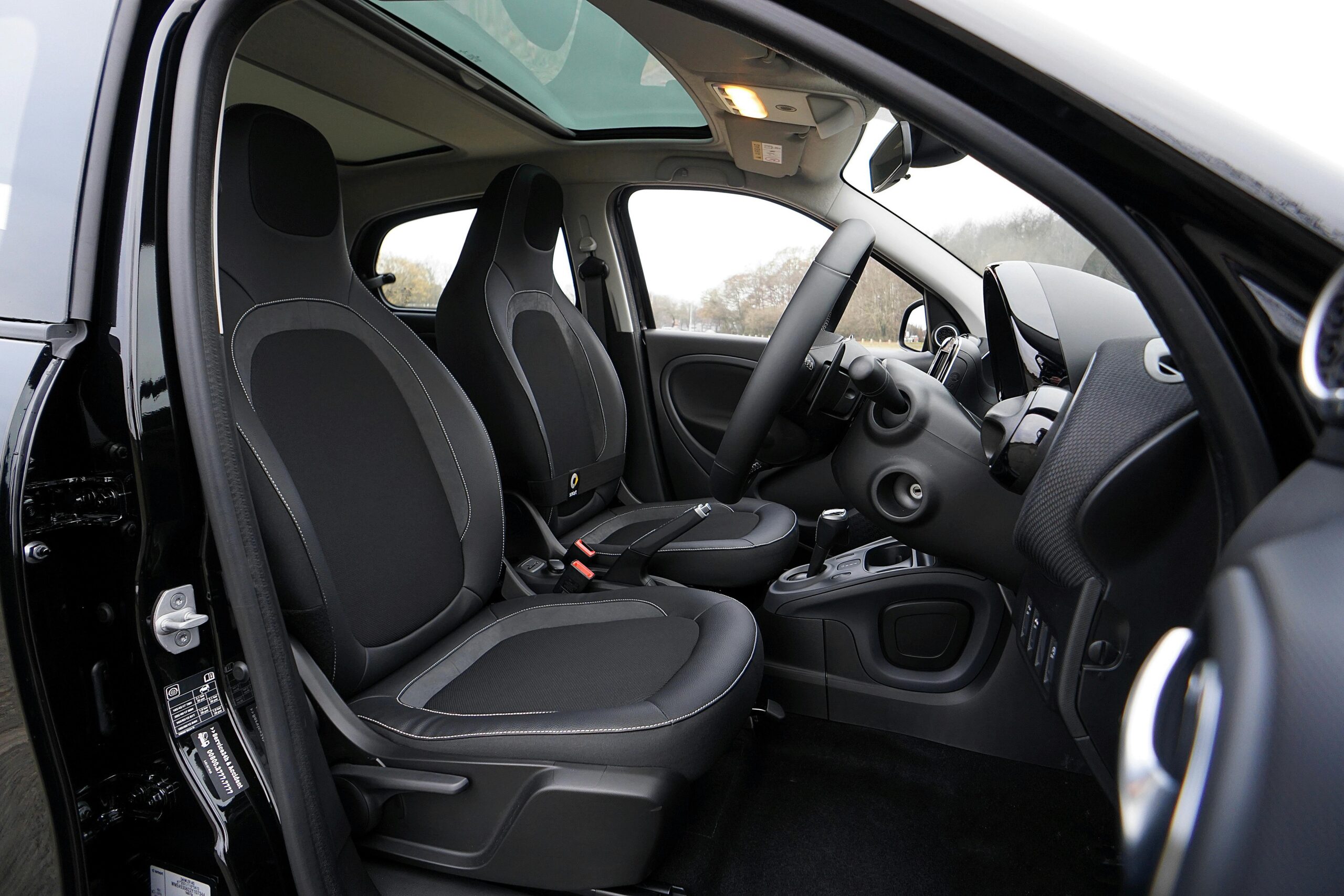
Another key area of progress is in lane-keeping assist and adaptive cruise control. Lane-keeping systems gently steer the car back into its lane if it begins to drift, which is particularly useful during long highway drives when fatigue might set in. Paired with adaptive cruise control, which maintains a safe distance from the vehicle ahead by automatically adjusting speed, these tools make highway commuting less stressful. Drivers report feeling more in control, as the car acts as a vigilant co-pilot, allowing them to focus on the road ahead.
Enhancing Visibility and Awareness
Beyond active assistance, improvements in visibility technologies are transforming nighttime and adverse weather driving. High-intensity LED headlights now offer brighter, more focused beams that illuminate the road without blinding oncoming traffic. Some models even include adaptive lighting that curves with the road, following the driver’s steering input for better corner visibility.
Blind-spot monitoring has also become a standard feature in many mid-range sedans and SUVs. Using radar sensors, it alerts drivers to vehicles lurking in hard-to-see areas, reducing the chances of dangerous lane changes. Rear cross-traffic alerts extend this protection when backing out of parking spots, scanning for approaching cars or pedestrians that might be out of view.
The Role of Structural Integrity
Underneath the hood—or rather, in the chassis—advancements in materials and design bolster crash protection. High-strength steel and aluminum alloys create crumple zones that absorb impact energy, protecting the passenger cabin. Airbags have evolved too, with side-curtain and knee options providing comprehensive coverage in various collision scenarios.
For families, child safety features like integrated booster seats and easy-to-use LATCH systems ensure younger passengers are secure. These elements combine to create vehicles that not only prevent accidents but also mitigate injuries when they occur.
As automakers continue to prioritize safety, drivers benefit from cars that are smarter and more protective than ever. Whether navigating city streets or embarking on cross-country trips, these features empower motorists to drive with greater assurance. Staying informed about these technologies can help you choose a vehicle that aligns with your safety needs, making every drive a safer one.