
In the heart of American automotive culture, muscle cars stand as timeless icons of power, speed, and rebellion. Born in the mid-20th century, these beasts of the road captured the imagination of drivers seeking raw performance and unbridled excitement. From the roaring engines of the 1960s to the refined powerhouses of today, the evolution of American muscle cars has profoundly shaped how enthusiasts approach driving, blending nostalgia with cutting-edge technology.
The golden era kicked off with models like the Pontiac GTO in 1964, often credited as the first true muscle car. Equipped with a massive V8 engine, it delivered over 300 horsepower, transforming ordinary sedans into street dominators. Drivers of that time reveled in the thrill of acceleration, where zero-to-60 times shattered expectations. Ford’s Mustang followed suit, democratizing high performance for the masses. These vehicles weren’t just about speed; they embodied freedom, allowing drivers to escape the mundane and embrace the open road. The cultural impact was immense, influencing everything from drag racing to Hollywood blockbusters.
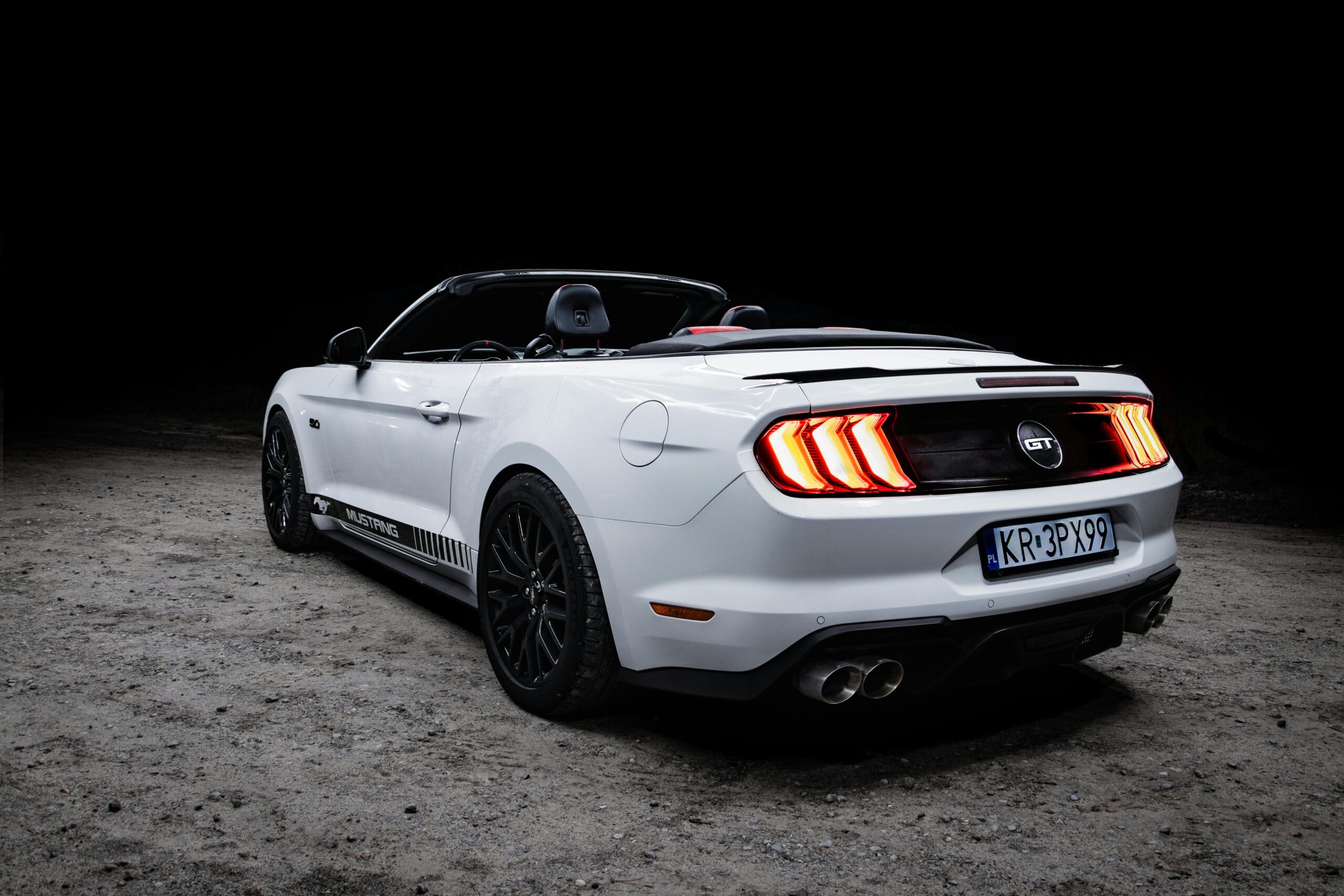
Rise of Power and Regulatory Challenges
As the 1970s dawned, muscle cars reached their zenith with legends like the Chevrolet Camaro SS and Dodge Challenger. Engines ballooned to 400-plus horsepower, fueled by cheap gas and a national obsession with speed. However, external forces soon intervened. The oil crisis of 1973 and tightening emissions regulations forced manufacturers to detune engines, leading to a temporary decline. Drivers adapted, shifting focus from sheer brute force to more balanced performance. This era taught enthusiasts resilience, proving that true driving passion transcends horsepower figures.
Revival came in the 1980s and 1990s with technological advancements. Electronic fuel injection and computer-controlled systems breathed new life into models like the Ford Mustang GT. Drivers discovered that muscle could coexist with efficiency, making these cars viable for daily commutes while retaining weekend warrior status. The 2000s amplified this with supercharged variants, such as the Dodge Charger SRT Hellcat, pushing boundaries to over 700 horsepower. Modern drivers benefit from sophisticated suspensions and advanced traction control, enhancing safety without sacrificing fun.
Modern Interpretations and Driver Connection
Today, American muscle cars like the Chevrolet Corvette and Ford Shelby GT500 represent the pinnacle of evolution. Hybrid elements—wait, not hybrids in the electric sense, but blended engineering—deliver track-ready performance for street use. Drivers connect deeply with these machines, often customizing them to reflect personal style. Communities thrive online and at car shows, where stories of cross-country drives and quarter-mile runs foster camaraderie.
The legacy extends beyond mechanics; it’s about the emotional bond. Piloting a muscle car instills confidence, sharpens reflexes, and reignites joy in driving. As roads evolve with smarter infrastructure, these vehicles remind us of automotive roots while adapting to future demands. For aspiring drivers, starting with a classic restoration project or test-driving a new model can unlock this world. Ultimately, American muscle cars continue to inspire, proving that power and passion drive the human spirit forward.