
Automakers keep perfecting automatic gearboxes, yet the stick shift refuses to fade. Beyond nostalgia, manual transmissions deliver control, engagement, and mechanical transparency that many drivers still crave. Whether you’re carving a back road or navigating the daily slog, rowing your own gears can make driving feel like a skill, not a chore.
Control is the headline benefit. Choosing your own gear lets you place the engine exactly where the torque lives, smoothing corner exits and sharpening passing maneuvers. A timely downshift sets the chassis with engine braking, giving you a predictable weight transfer that helps the front tires bite. Rev-matching—blipping the throttle to align engine speed with the lower gear—keeps the car settled and the drivetrain happy. Mastering heel-toe technique on a winding descent is as rewarding as nailing a clean apex.
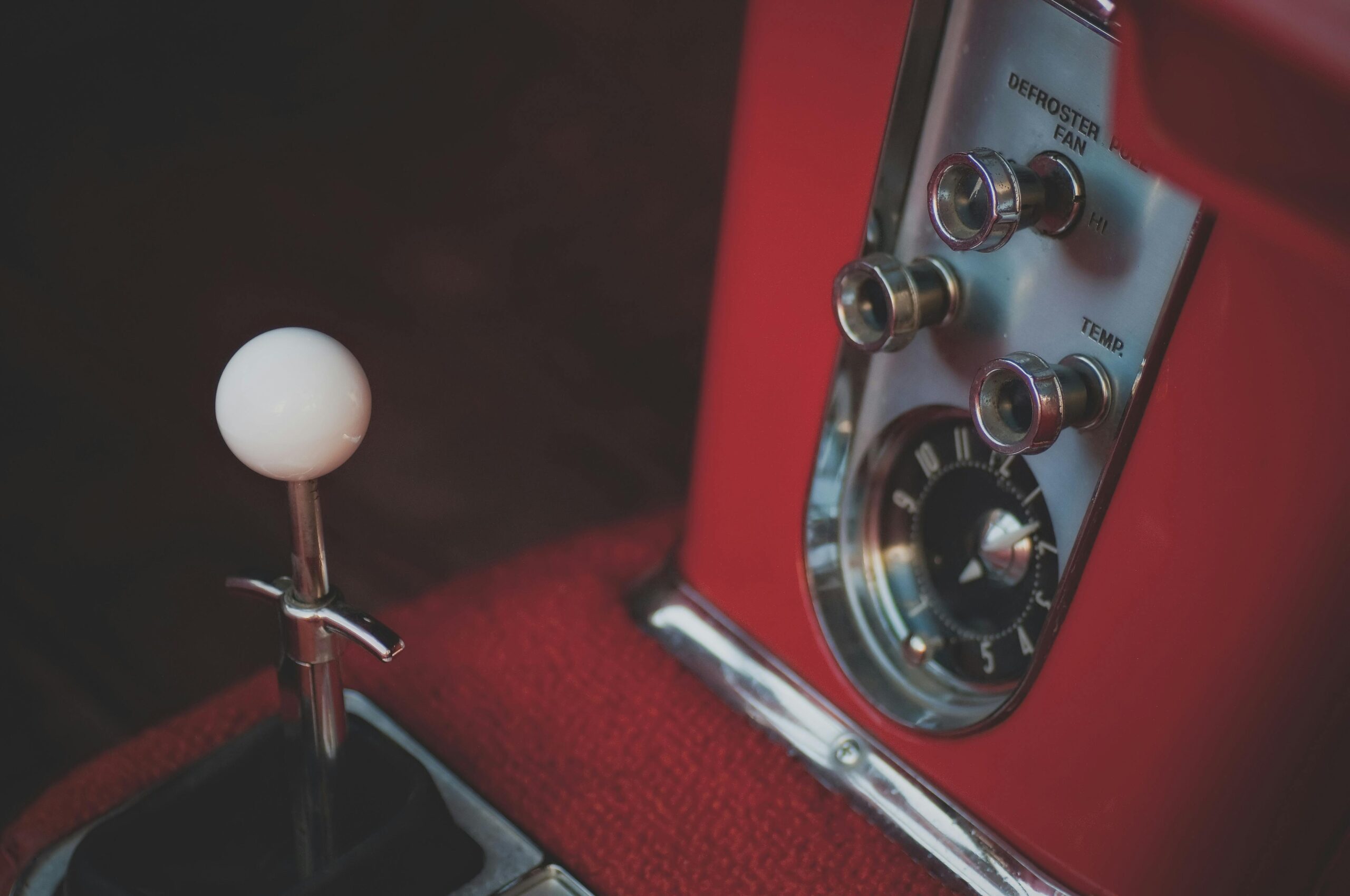
Performance isn’t just about lap times. With a manual, you can prevent an engine from lugging on a steep grade or short-shift to keep a turbocharged motor in its sweet spot. There’s no gear-hunting or sudden kickdowns; you decide the ratio and the response. The feedback loop from clutch pedal to shifter to throttle teaches mechanical empathy—how the clutch engages, how the synchros prefer a deliberate hand, how the engine breathes. That understanding can make you smoother and, ironically, kinder to the machinery.
In traffic, a manual can still make sense if the car is well tuned. Light, progressive clutches and crisp engagement points reduce fatigue. Skip-shifting—going from third to fifth when conditions allow—saves effort and fuel. Rolling off the throttle early and using engine braking helps maintain gaps without constant braking. Like any learned skill, the workload drops as muscle memory builds, transforming stop-and-go into a series of easy, predictable motions.
Shopping for a used manual? Pay attention to the engagement point: a clutch grabbing near the top may be worn. A slipping sensation under load, shudder on takeoff, or a burnt smell can signal trouble. During the test drive, shift briskly but not aggressively through every gear, especially second and third where synchro wear shows first. Try downshifts at moderate rpm to feel for resistance. Engage reverse from a full stop, and practice a gentle hill start to check for chatter. Service records for clutch and transmission fluid changes are a plus.
Learning or sharpening technique is straightforward. Start in an empty lot, practicing smooth launches with minimal throttle. Work on rev-matched downshifts so the car stays balanced; the goal is seamless, not flashy. On hills, use the handbrake to hold position until the clutch takes, then ease out cleanly. In wet or snowy conditions, short-shift to reduce wheelspin and use engine braking to manage speed without unsettling the chassis. The more you practice, the more natural it feels—and the more bandwidth you’ll have for traffic, road surface, and line choice.
Manuals thrive because they demand attention and reward precision. They mute distractions, invite flow, and turn every drive into a conversation with the car. For enthusiasts and commuters alike, that connection is the point: a simple mechanism that makes you better, keeps you present, and keeps driving fun.