
Ask any seasoned driver what sets confident, composed cars apart from the rest, and the answer rarely starts with horsepower. It’s tire pressure. Those four postcard-sized patches of rubber translate every brake input, throttle stab, and steering correction into motion. When the pressure is off, everything else follows it downhill—stopping distances, fuel economy, and even your sense of control.
Automakers spend thousands of hours calibrating recommended pressures for a specific vehicle, tire size, and load. That number on the driver’s door jamb isn’t a suggestion; it’s a performance setting. Set pressure cold, before the day’s drive, because heat from driving and sunshine can inflate readings by several psi. If you recently rolled into a gas station and saw a higher number than you expected, that was heat talking, not accuracy.
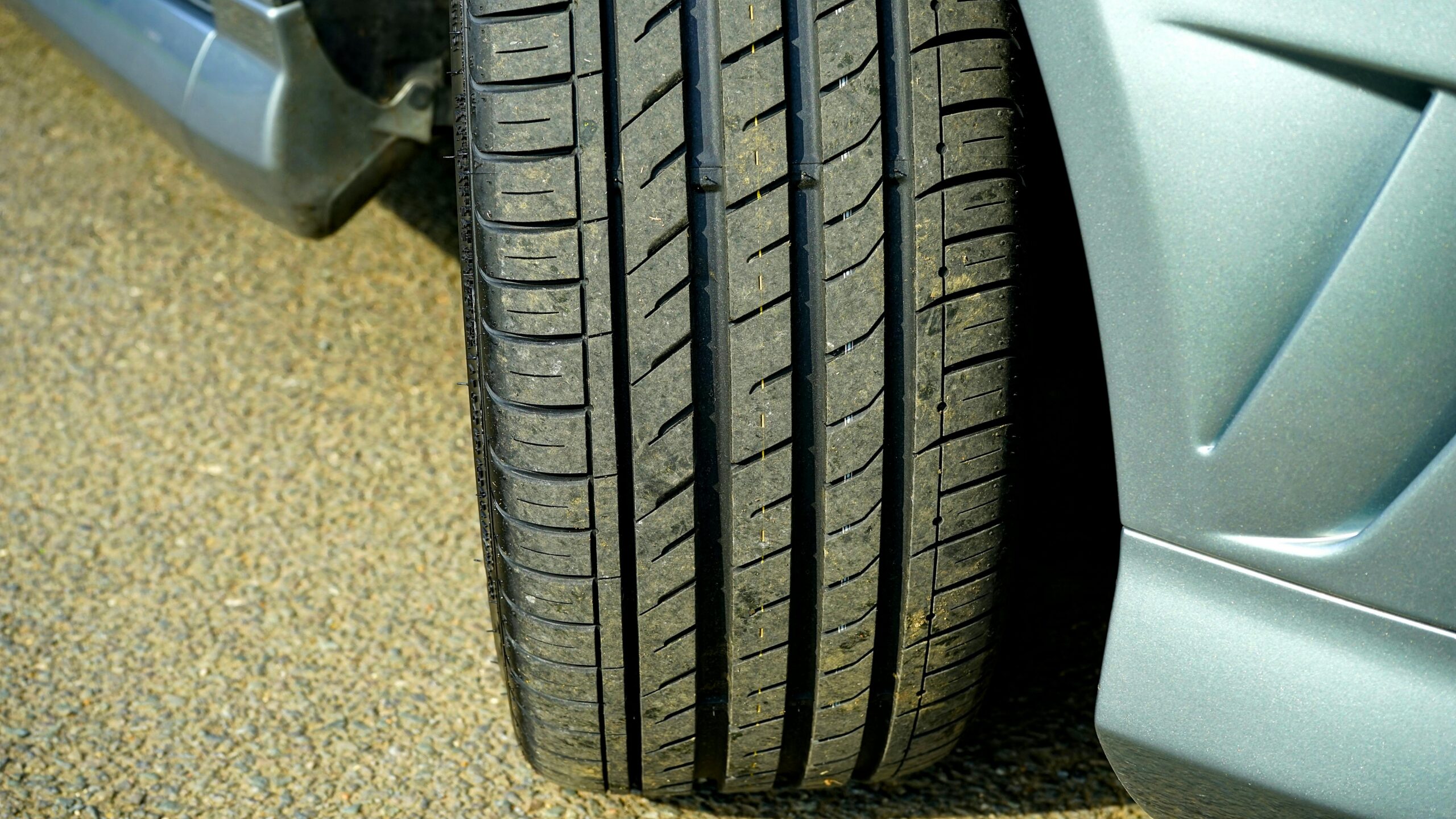
Underinflation is the silent thief of confidence. With too little air, the sidewalls flex more than engineers intended, the contact patch smears across the pavement, and steering inputs get soggy. Braking distances grow as the tread squirm absorbs energy that should be stopping the car. In wet conditions, underinflated tires are more likely to hydroplane because grooves can’t evacuate water effectively. Overinflation isn’t a free pass either; it sharpens steering at the expense of grip, ride comfort, and even tread life, concentrating wear down the center.
Modern TPMS warning lights are helpful but imperfect. Most systems trigger only when pressure drops significantly below the recommended level, meaning you could be several psi off for weeks without a chime. Treat the light as a last resort, not your daily gauge. A quality handheld gauge, used once a month and before long trips, is still the gold standard. Check all four corners and the spare, because nothing derails a road trip faster than a perfect plan and a flat donut.
Temperature swings complicate the story. Air contracts as it gets colder—roughly one psi for every 10 degrees Fahrenheit—so that crisp fall morning can steal pressure you swore you had in August. If you swap to winter tires, follow the door-jamb specification unless the tire maker says otherwise; the vehicle’s recommended pressure accounts for weight distribution, chassis balance, and overall load, not just the tire itself.
Speaking of load, adjust when hauling gear or hitching a trailer. Many vehicles list a higher pressure for full loads to keep the tire square to the road and prevent overheating. That added stiffness improves stability under braking and in crosswinds. Once you’re back to normal duty, return to the standard setting to preserve comfort and tread life.
What about nitrogen? It’s stable and resists moisture, but the real advantage is consistency, not miracles. Regular air is already about 78 percent nitrogen. Whether you use air or nitrogen, the best results come from checking pressure routinely with a reliable gauge and topping off thoughtfully.
There’s satisfaction in a car that feels dialed-in, where the front end bites predictably and the cabin stays calm over broken pavement. Proper tire pressure is the foundation of that feeling. Set it right, keep it consistent, and your car will reward you with safer stops, crisper handling, and a few extra miles per gallon—all from a two-minute ritual in the driveway.