
Road-tripping in an electric vehicle is no longer a novelty, but the line between a smooth cruise and a stressful slog often comes down to smart charging strategy. With a bit of planning and an understanding of how your car behaves on the highway, you can turn long-distance EV travel into a confident, predictable experience.
Start with honest range math. The number on your dash is a forecast, not a promise, and high speeds, cold snaps, headwinds, and elevation changes all influence consumption. Give yourself a buffer by planning arrivals at fast chargers with 10–20 percent state of charge; that cushion protects you against unexpected detours or reduced station output. It also positions you to take advantage of the fastest portion of your car’s charging curve, which typically lives between low and mid battery percentages.
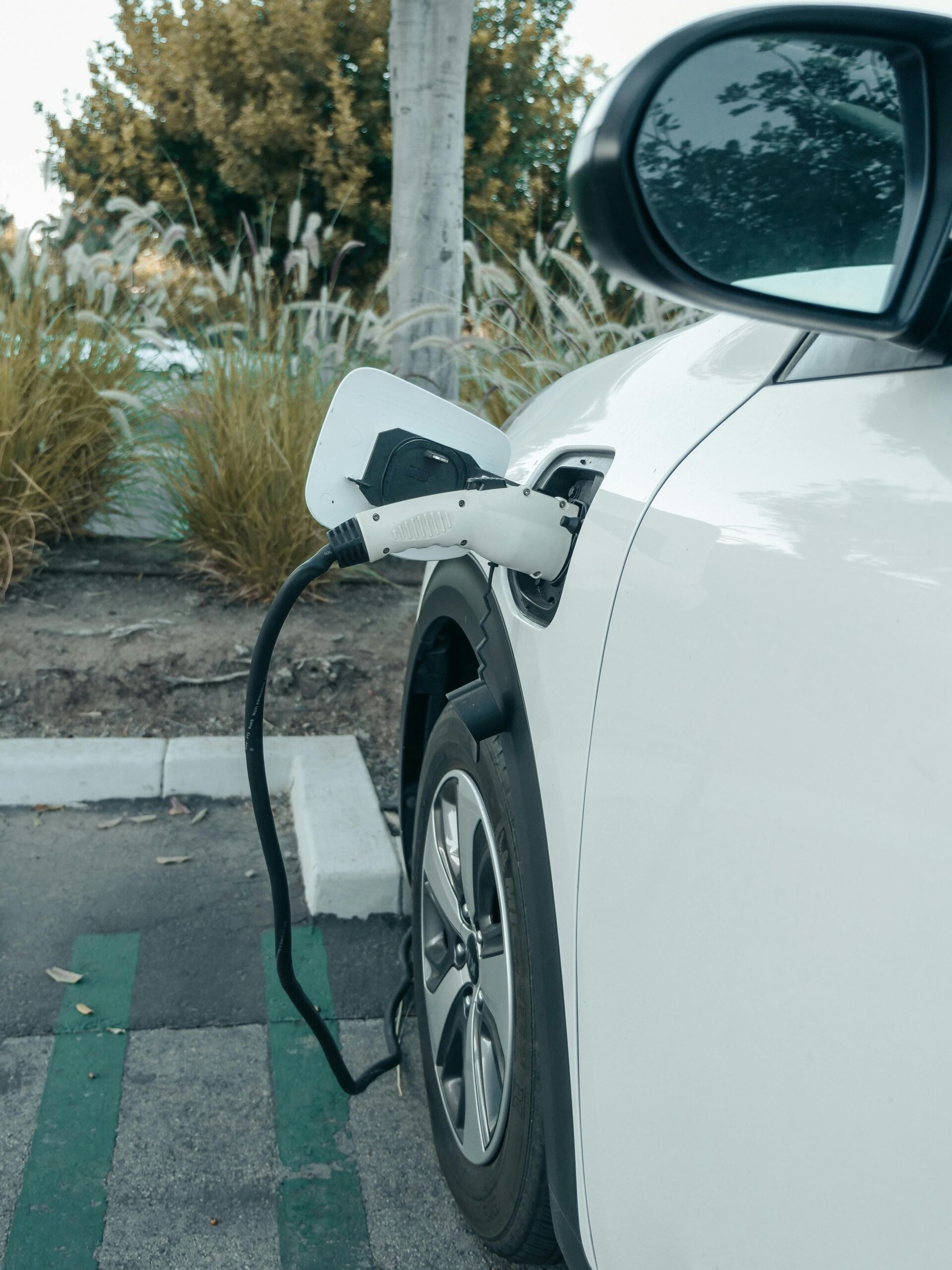
Use the right tools. In-car navigation that factors battery preconditioning can slice minutes off a stop, because warming the pack before you plug in helps the car accept energy at higher rates. Third-party apps and route planners are useful for cross-checking station availability, pricing, and amenities. If your trip crosses regions with mixed infrastructure, map out backup chargers along the same corridor so a busy station is an inconvenience, not a showstopper.
Know your connectors and cables. Most highway sites feature DC fast charging with standards such as CCS or NACS, and many vehicles support adapters. Verify compatibility before you leave, test any adapter at a local station, and keep your car’s software up to date; charging performance and station handshakes often improve with firmware updates.
Think in sessions, not full charges. On the road, it’s faster to add energy in shorter bursts from 10 to 60 or 70 percent than to sit for a top-off to 100 percent. This plays to the tapering nature of fast charging and keeps you moving. Plan a longer stop only when it aligns with meals or rest; destination charging at hotels or attractions can quietly refill the battery while you’re off the clock.
Driving habits still matter. Aerodynamics increase with the square of speed, so easing back a few miles per hour can save enough energy to skip an extra stop. Check tire pressures when cold, use eco or chill modes if they reduce highway consumption without compromising safety, and remember that climate control is a modest load compared with pushing air at 75 mph. In hilly terrain, let regenerative braking do its work on descents rather than charging to the brim before a mountain pass.
Charging etiquette keeps everyone moving. Park only while actively charging, coil the cable neatly, and move once you hit the rate where your car’s charge has tapered significantly. If a station is shared power, skip the paired stall when possible to preserve peak speeds. And if a site is busy, a short hop to the next location can beat waiting in line.
Finally, embrace the rhythm. EV road trips trade one long gas stop for a handful of shorter, intentional breaks. Stretch, hydrate, and plan stops near food, restrooms, and safe areas to walk. The result is a journey that’s easier on your body and your battery—and proof that with a little strategy, electrons make excellent travel companions.