
Highway driving demands more than just speed and navigation; it requires a keen sense of etiquette that ensures safety for everyone on the road. As roads become busier with commuters and long-haul travelers, understanding proper highway manners can transform stressful journeys into smooth experiences. From merging techniques to handling aggressive drivers, mastering these skills elevates your driving game while reducing accident risks.
One fundamental aspect involves lane discipline. Staying in the right lane unless passing prevents unnecessary congestion. Many drivers linger in the left lane, oblivious to the flow they’re disrupting. This behavior not only frustrates others but also increases the likelihood of collisions. Experts from automotive review sites emphasize that proper lane usage allows faster vehicles to pass safely, maintaining overall highway harmony.
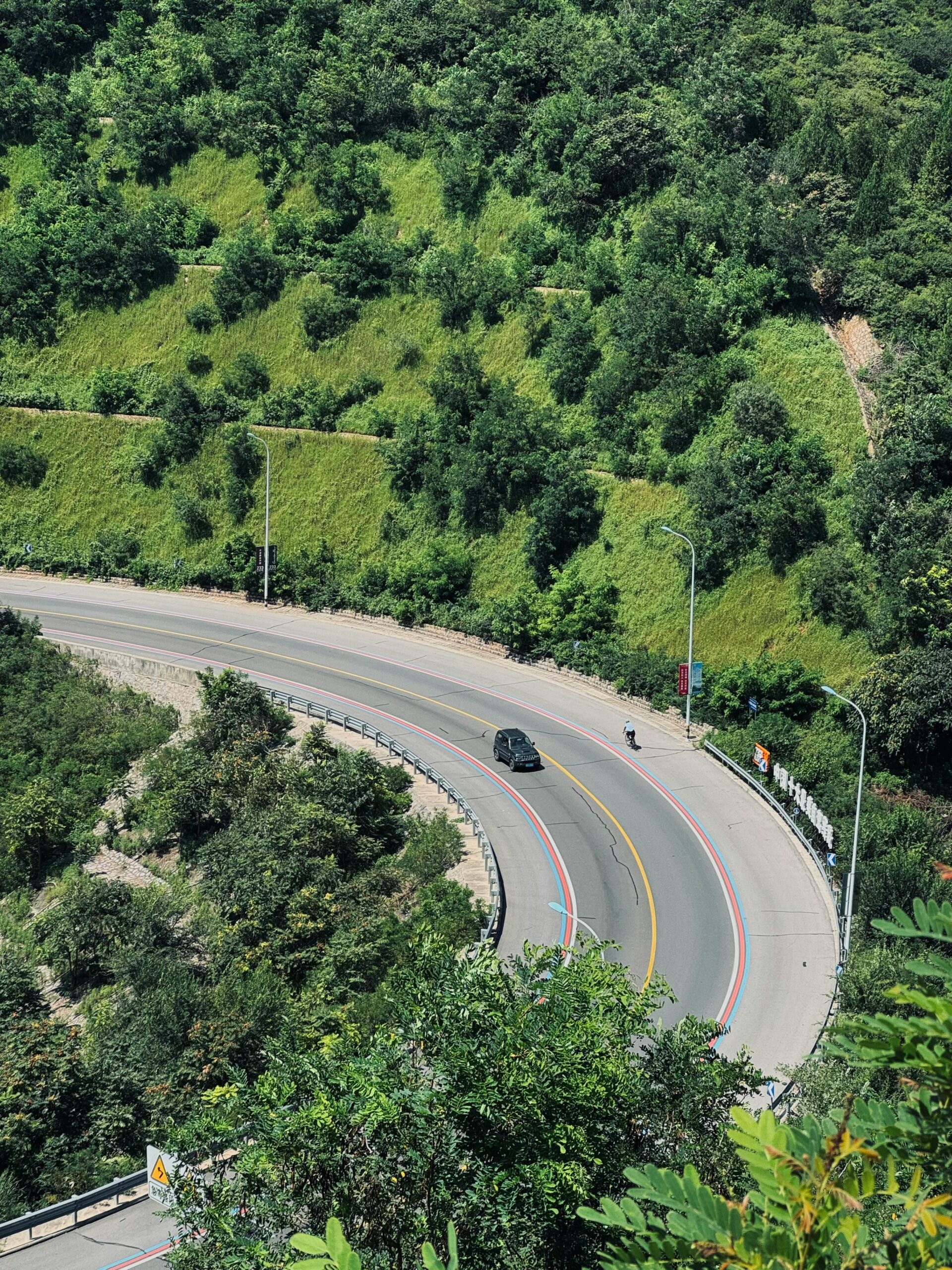
Maintaining Safe Following Distances
Tailgating remains a persistent issue on highways. Keeping a safe distance—typically three seconds behind the vehicle ahead—gives you ample reaction time for sudden stops. In adverse weather, double that gap. Advanced driver assistance systems in modern sedans and crossovers often include adaptive cruise control, which automatically adjusts your speed to maintain distance. However, relying solely on technology isn’t enough; conscious awareness plays a crucial role.
Signaling intentions early is another etiquette cornerstone. Whether changing lanes or exiting, use your turn signals well in advance. This simple act communicates your plans, allowing others to react appropriately. Forgotten signals lead to misunderstandings and near-misses, especially at high speeds where split-second decisions matter.
Dealing with Road Rage and Distractions
Road rage can escalate quickly on highways. If confronted by an aggressive driver, avoid engagement. Instead, slow down to create space or exit if possible. Staying calm preserves your safety and sets a positive example. Distractions like smartphones exacerbate these issues. Even hands-free calls divert attention, so minimize them during highway drives.
For families embarking on road trips, teaching these habits to younger passengers fosters responsible future drivers. Sedans with spacious interiors, like those praised in recent reviews, offer comfort for long hauls, but etiquette ensures the journey remains enjoyable. Incorporating breaks every couple of hours combats fatigue, another silent hazard.
Innovations in car design support better etiquette. Features such as blind-spot monitoring and lane-keeping assist in popular models help drivers stay aware without constant vigilance. Yet, technology complements, not replaces, good habits. Automotive enthusiasts often discuss how these tools integrate with traditional driving wisdom, creating a safer environment.
Ultimately, highway etiquette boils down to respect and foresight. By adopting these practices, you contribute to a culture of safer roads. Whether commuting daily or exploring new destinations, refined driving manners enhance the experience for all. Next time you hit the interstate, remember: courtesy isn’t just polite—it’s essential for survival.