
Walk into a dealership in 2025 and the choice isn’t just between sedans and SUVs anymore—it’s between batteries, gas tanks, and everything in between. EVs and hybrids both promise lower operating costs and cleaner commutes, but they deliver those benefits in different ways. Choosing the right setup comes down to your daily routine, your access to charging, and how you like your car to feel on the road.
Start with your driving pattern. If most of your miles are short hops with a predictable commute, an EV can be a slam dunk. Home charging turns your garage into your “gas station,” and even a modest Level 2 setup can add dozens of miles of range overnight. If you frequently take cross-country trips, tow on weekends, or live far from reliable charging, a hybrid—or better yet, a plug-in hybrid—adds flexibility. Plug-in hybrids deliver electric miles for errands and switch to gas for the long haul, easing range worries while still trimming fuel bills.
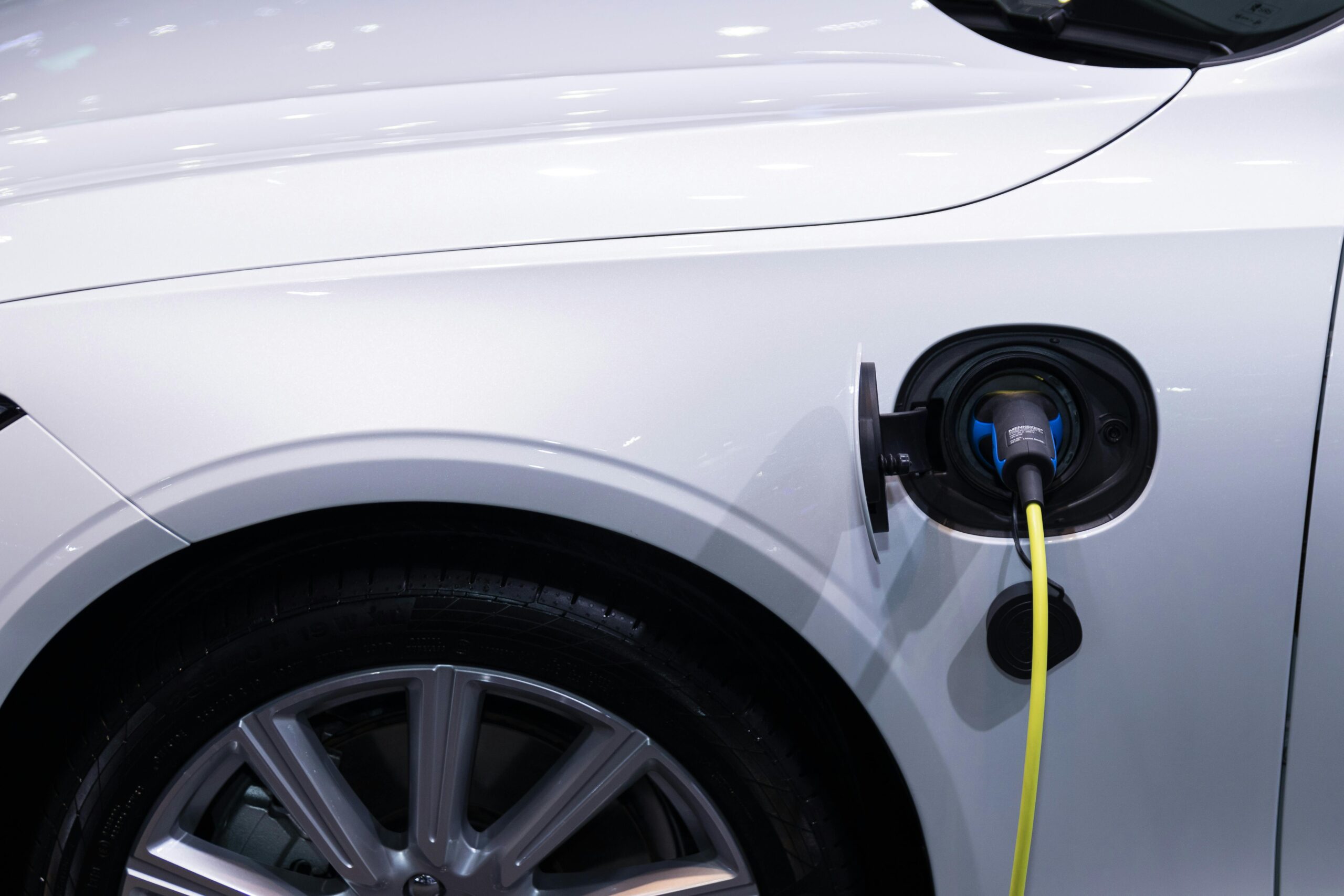
Charging access is the big fork in the road. Level 1 (standard 120-volt outlets) works in a pinch, but Level 2 (240-volt) makes EV ownership feel effortless, especially in colder climates where overnight replenishing offsets range loss. Public fast charging is expanding, and more brands are gaining access to major high-speed networks, but availability still varies by region. If street parking is your norm or your building won’t allow a charger, a hybrid’s quick gas fill-up might save you headaches—at least until your local infrastructure catches up.
Money matters, and total cost of ownership tips the scales. EVs generally cost more up front but return value through lower “fuel” costs and less routine maintenance—no oil changes, fewer moving parts, and regenerative braking that’s kinder to pads and rotors. Incentives can narrow the sticker gap, and some states add perks like HOV lane access or utility rebates for home chargers. Hybrids often carry smaller premiums over gas-only models and deliver consistent savings at the pump, without changing your fueling routine. Keep an eye on battery warranties, which commonly cover eight years or 100,000 miles or more, and factor that into long-term planning.
Don’t overlook driving feel. EVs provide instant torque and near-silent acceleration that’s addictive in traffic and downright fun on on-ramps. One-pedal driving via regenerative braking quickly becomes second nature. Hybrids, especially the latest generations, are smoother and quieter than ever, blending gas and electric power with minimal fuss. Plug-in hybrids can feel like mini EVs around town, then settle into conventional cruising on the freeway. Test drive in your real-world conditions—hilly routes, highway stretches, or stop-and-go city streets—and try both a cold morning and a warm afternoon if you can.
Finally, think about future-proofing. Over-the-air updates are improving EV features after purchase, from range estimates to infotainment. Charging standards are converging, making it easier to road-trip across brands. Resale values are evolving as buyers get more comfortable with electrified powertrains; strong warranties and proven battery health help.
Bottom line: match the powertrain to your life, not your wish list. If you can charge at home and your miles are predictable, an EV maximizes savings and delivers a serene drive. If your schedules or road trips are more chaotic, a hybrid or plug-in hybrid keeps flexibility high and costs low. Either way, do the math on your energy costs, confirm your charging options, and spend extra time on test drives. The best choice is the one that makes every mile feel easy.