
In the world of automotive engineering, few innovations have transformed the driving experience quite like turbocharged engines. These powerplants, which force more air into the combustion chamber to generate extra power, have become staples in sports sedans, blending efficiency with exhilarating performance. From the roar of the exhaust to the seamless surge of acceleration, turbochargers are redefining what it means to drive a high-performance vehicle on everyday roads.
Turbocharging dates back to the early 20th century, but it gained prominence in the automotive scene during the 1970s oil crisis. Manufacturers sought ways to extract more power from smaller engines without sacrificing fuel economy. Today, brands like BMW and Audi integrate advanced turbo systems into their sedans, such as the BMW 3 Series or the Audi A4. These cars deliver impressive horsepower figures—often exceeding 300 hp—from relatively compact four-cylinder engines, making them accessible to a broader range of drivers.
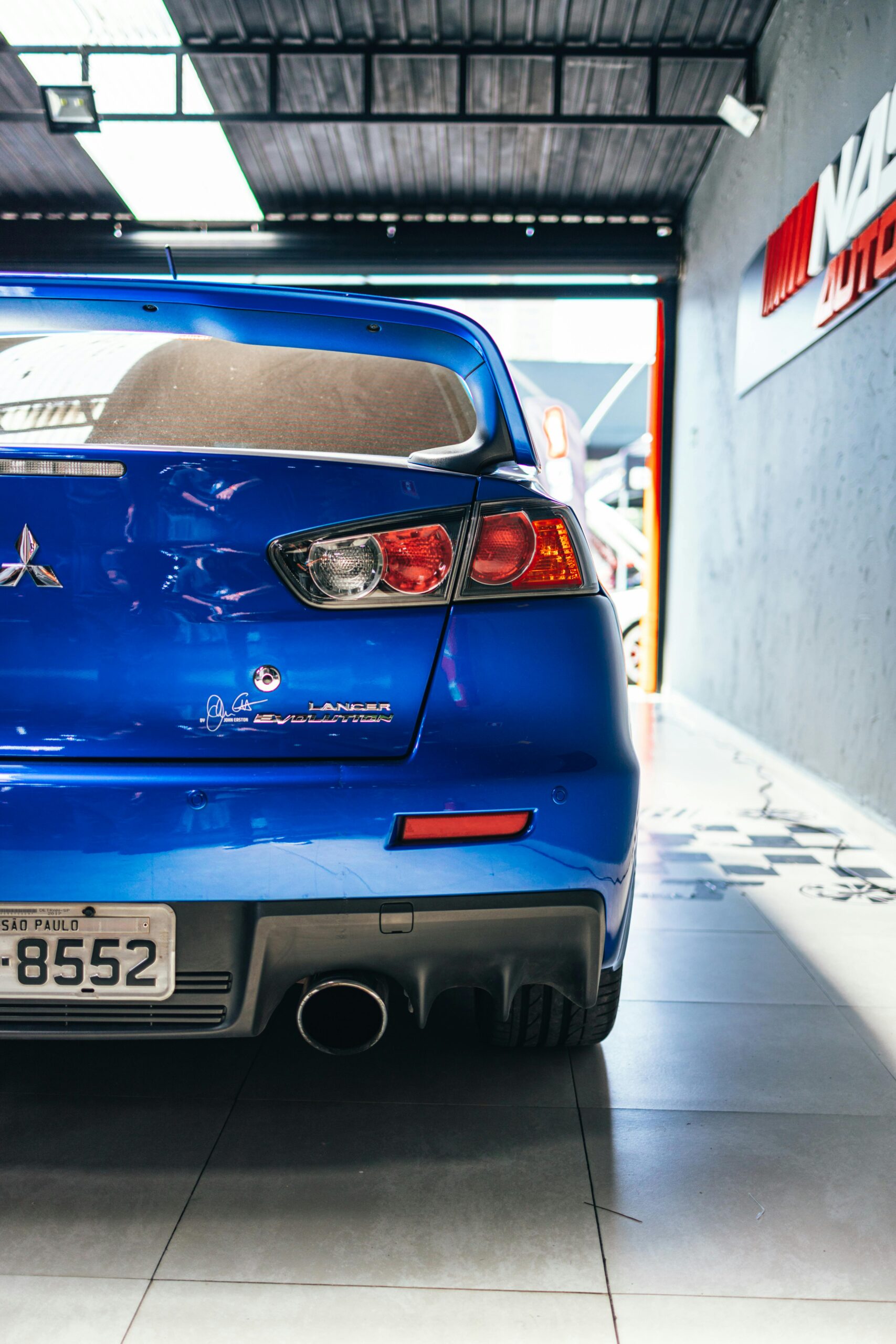
The Mechanics Behind the Boost
At its core, a turbocharger uses exhaust gases to spin a turbine, which compresses intake air before it enters the engine. This process, known as forced induction, allows for denser air-fuel mixtures, resulting in more potent explosions within the cylinders. Modern advancements like twin-scroll turbos and variable geometry designs minimize lag—the delay between pressing the accelerator and feeling the power kick in. Drivers appreciate this technology for its ability to provide instant torque, turning mundane commutes into spirited adventures.
Take the Mercedes-AMG C 43, for example. Its 3.0-liter V6 twin-turbo engine produces 385 horsepower, propelling the sedan from zero to 60 mph in under five seconds. Yet, it maintains a refined demeanor for city driving, showcasing how turbo tech bridges the gap between performance and practicality. Enthusiasts often note the distinctive whistle of the turbo spooling up, adding an auditory thrill to the experience.
Impact on Driving Dynamics
Beyond raw power, turbocharged engines enhance overall vehicle dynamics. Paired with sophisticated suspension systems and all-wheel-drive setups, they offer superior handling and grip. On winding backroads, a turbo sedan like the Volkswagen Golf R demonstrates this prowess, combining sharp steering with explosive acceleration out of corners. This setup appeals to drivers who crave engagement without the bulk of larger sports cars.
Maintenance considerations come into play as well. Turbo systems require high-quality oil and regular servicing to prevent issues like carbon buildup. However, with proper care, these engines prove reliable, often outlasting their naturally aspirated counterparts in terms of longevity and efficiency.
Future Prospects and Driver Appeal
Looking ahead, turbocharging continues to evolve, incorporating electric assistance in some models to eliminate lag entirely. This innovation keeps sports sedans relevant in an era of tightening emissions standards. For drivers, the allure lies in the perfect harmony of power and poise—vehicles that excite on the track yet remain composed for family outings.
Ultimately, turbocharged engines have elevated sports sedans from mere transportation to icons of driving passion. Whether carving through mountain passes or navigating urban streets, they deliver a blend of technology and thrill that’s hard to match.