
Rowing your own gears turns every commute into a conversation between engine, road, and driver. Beyond the nostalgia, a manual transmission rewards finesse and situational awareness, especially in today’s mixed traffic where timing and smoothness matter as much as outright speed. With the right habits, you’ll shift cleaner, reduce wear, and keep your drivetrain happier for the long haul.
Start with clutch control. Learn the friction point by easing off the pedal in a flat, empty space until the car begins to move without throttle, then add a whisper of gas. That reference point becomes your anchor in stop-and-go traffic. Keep engine speed low and clutch slip brief; prolonged slipping builds heat and accelerates wear. When creeping, let the car idle forward with the clutch fully engaged whenever possible, rather than riding the pedal. Your left leg will thank you, and so will the throwout bearing.
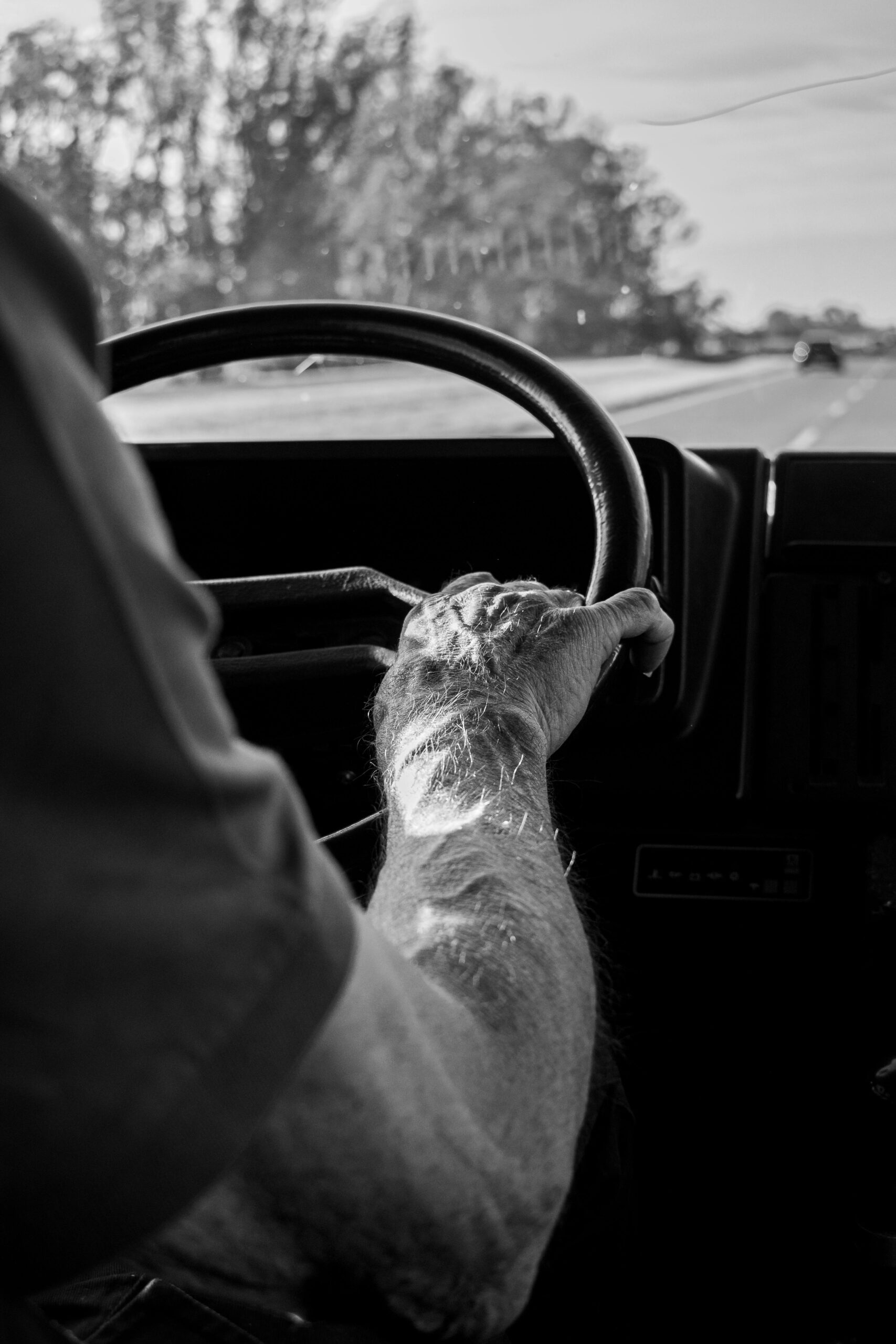
Rev-matching transforms downshifts from a jolt into a glide. As you move the shifter to a lower gear, give the throttle a quick, measured blip so engine speed meets the transmission’s input speed. The result is less shock to the driveline, steadier chassis balance, and reduced synchro workload. If you want to go further, practice heel-toe downshifts: brake with the ball of your right foot while nudging the throttle with the edge of your shoe during the shift. Keep it simple at first, match one gear at a time, and prioritize smoothness over theatrics.
Hills expose technique. On steep grades, use the parking brake to hold position, release the clutch to the bite point, add throttle, then ease off the brake to launch cleanly without rolling back or roasting the disc. Some cars include hill-hold assist, but mastering the handbrake method builds confidence in any vehicle. Avoid feathering the clutch to “hover” on inclines; that heat has to go somewhere.
Highway driving is where gear choice shapes response and economy. Don’t lug the engine—accelerating hard at very low rpm loads bearings and mounts and can cause detonation in older engines. Downshift proactively to keep the engine in its torque band for passing. Use the tachometer as a guide: every powerplant has a sweet spot where throttle response is crisp without being buzzy. On descents, a smart downshift adds engine braking, easing the burden on your pads while keeping the car settled.
Maintenance ties it all together. Fresh gear oil restores shift feel; many manufacturers specify long intervals, but spirited driving and heat cycles make a strong case for earlier changes. If engagement feels vague or notchy, inspect shifter bushings and transmission mounts. A spongy pedal or inconsistent bite can indicate air in the hydraulic line or a failing master/slave cylinder. During test drives, check for clutch slip by rolling on the throttle in a tall gear at moderate rpm—if revs climb without corresponding acceleration, the disc may be on its way out.
Winter brings its own rhythm. On slick starts, gently launching in second can reduce wheelspin. Match revs before every downshift to avoid unsettling the rear tires. Smooth inputs—hands, feet, and eyes—are your traction control.
Manual driving isn’t about working harder; it’s about working smarter. Refine the fundamentals, listen to the car, and you’ll find a calmer commute, cleaner shifts, and a deeper connection to the machine you love.