
Supercars have long captured the imagination of automotive enthusiasts, blending raw power with cutting-edge design. These high-performance machines trace their roots back to the mid-20th century, when engineers began pushing the boundaries of speed and engineering. The journey from early icons to today’s technological wonders reveals a fascinating story of innovation, rivalry, and passion for driving.
In the 1960s, the supercar era ignited with vehicles like the Lamborghini Miura. Introduced in 1966, this Italian masterpiece featured a mid-engine layout that revolutionized sports car design. Its V12 engine delivered exhilarating performance, making it a symbol of luxury and speed. Across the Atlantic, American muscle like the Ford GT40 challenged European dominance, proving that brute force could compete on the global stage. These early models weren’t just about velocity; they embodied a cultural shift toward embracing adrenaline-fueled drives on winding roads and racetracks.
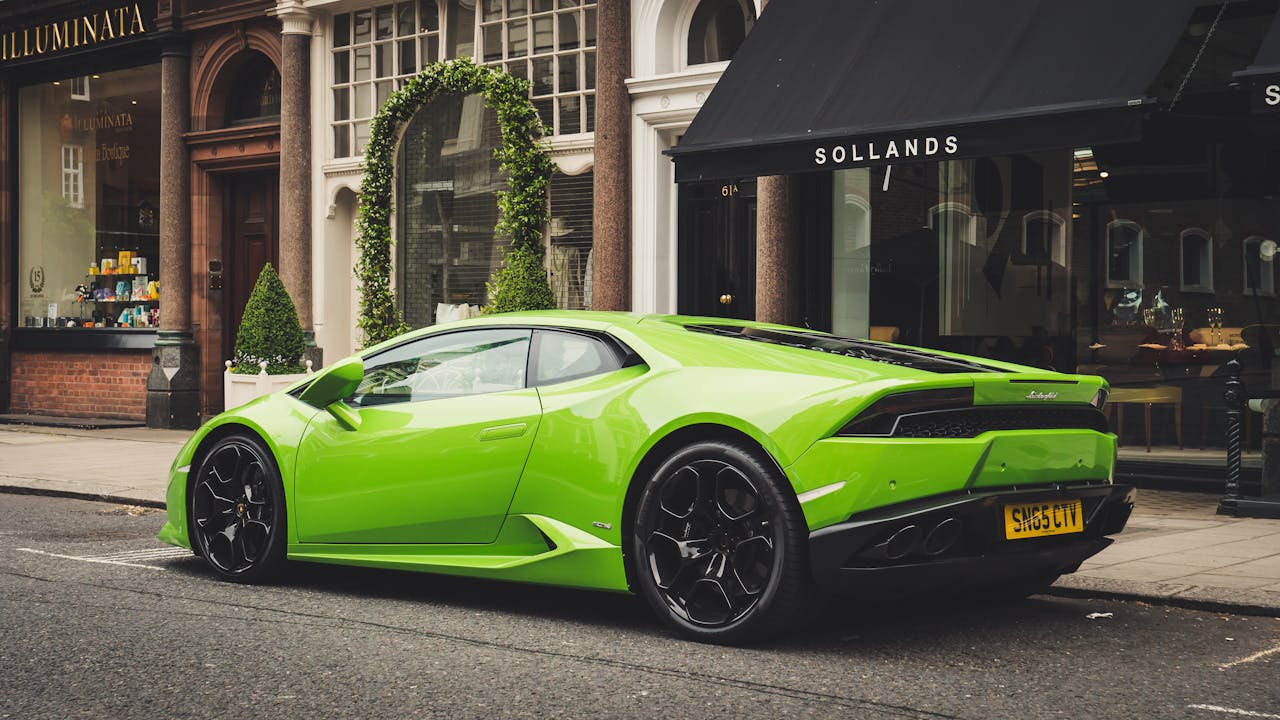
As the 1970s and 1980s unfolded, supercars evolved amid oil crises and emissions regulations. Porsche’s 911 Turbo emerged as a game-changer, introducing turbocharging to enhance power without sacrificing handling. This era saw the rise of aerodynamic refinements, with sleek bodies reducing drag and improving stability at high speeds. Ferrari’s Testarossa, with its iconic side strakes and wide stance, became a pop culture staple, appearing in films and magazines that celebrated the thrill of open-road adventures.
The 1990s brought digital innovation into the mix. McLaren’s F1, designed by Gordon Murray, set new benchmarks with its carbon-fiber chassis and BMW-sourced V12 engine. Capable of exceeding 240 mph, it wasn’t just a car but a statement of engineering prowess. This period also highlighted the importance of driver engagement, with advanced suspension systems allowing for precise control during aggressive cornering. Enthusiasts flocked to tracks to experience the raw connection between machine and road, fostering communities around car meets and rallies.
Entering the 21st century, supercars integrated hybrid technologies—not the electric kind, but sophisticated systems that boosted efficiency and power. Models like the Porsche 918 Spyder combined internal combustion with innovative assists, delivering mind-bending acceleration. Today’s marvels, such as the Bugatti Chiron, push limits with quad-turbo W16 engines, achieving speeds over 300 mph. Yet, amid the tech, the essence remains: the joy of piloting a vehicle that responds intuitively to every input.
What drives the ongoing evolution? It’s the relentless pursuit of perfection by manufacturers and the undying passion of drivers. From weekend cruises to professional circuits, supercars offer an escape, a way to connect with the road in its purest form. As new materials and designs emerge, the future promises even greater thrills, ensuring these icons continue to inspire generations of car lovers.
Whether you’re a seasoned driver or a budding enthusiast, understanding this evolution deepens appreciation for the artistry behind every rev. Supercars aren’t just vehicles; they’re rolling testaments to human ingenuity and the timeless allure of speed.