
Highway miles used to be a test of patience. Today’s sedans and crossovers pack technology that can ease fatigue and sharpen awareness, from adaptive cruise control to lane centering and blind-spot monitoring. When used correctly, these tools make long stretches feel calmer and commutes less chaotic. Still, they work best as copilots, not chauffeurs, and the difference between a system that inspires confidence and one that frustrates often comes down to calibration, conditions, and driver technique.
Modern driver-assistance suites rely on cameras, radar, and increasingly powerful processors to interpret traffic and markings. Even the strongest systems have limits. Rain can obscure a camera lens, sun glare can wash out lane paint, and grime on a radar cover can make cut-ins seem sudden. In testing, some vehicles track smoothly through gentle curves, holding center with light steering inputs, while others ping-pong between lane lines or disconnect abruptly in construction zones. That behavior isn’t random; it’s the product of sensor placement, software tuning, and how the car balances caution with comfort.
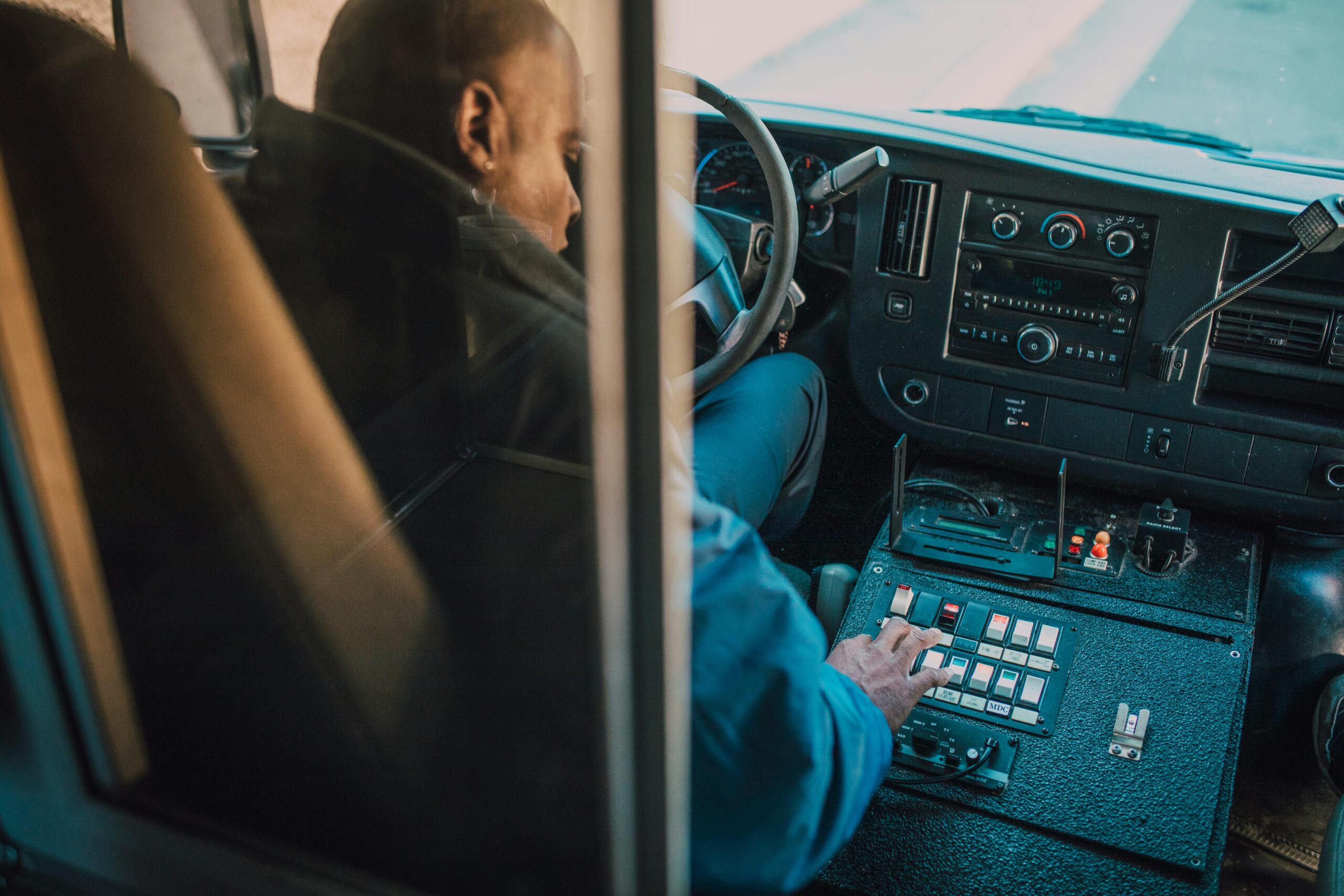
Trust grows when the car communicates clearly. The best interfaces announce what the system sees, when it’s active, and why it disengages. A simple lane icon that grays out when markings fade tells you it’s time to take the reins fully. A following-distance bar that fills and empties as traffic compresses helps you anticipate braking. Equally important is how the controls are laid out. Dedicated steering-wheel buttons and a persistent instrument-cluster readout make it easy to engage without digging through menus—a small design choice that pays back mile after mile.
Adaptive cruise can smooth throttle inputs in heavy traffic, often improving real-world fuel economy by preventing the accordion effect. Lane centering reduces the subtle corrections that add up to arm and shoulder fatigue over a full day. In low-speed congestion, stop-and-go capability takes the edge off crawl periods. None of that replaces vigilance. Hands-on feedback, steady mirror checks, and attention to merging zones remain essential. Think of these systems as gym spotters: there to help, not to do the lift.
On a proper test drive, bring a skeptical eye and a varied loop. A clean, well-marked interstate shows best-case behavior; patched two-lanes, worn paint, and shaded curves reveal the rest. Notice how the car responds to a vehicle slowly drifting into your lane: does the warning arrive early enough to matter, and does the steering aid nudge you predictably? Observe braking in traffic: progressive deceleration inspires more confidence than abrupt stabs. And take time to customize alerts and sensitivity—many cars bury useful settings like steering assist strength or lane departure intensity a layer deep in the infotainment screen.
Ownership habits seal the deal. Keep cameras and radar panels clean, update software when available, and ensure tires and alignment are in good shape to help the car track straight. Above all, preserve a margin of safety. Set a longer following distance than you think you need, treat hands-on reminders as normal, and stay engaged even when the car seems serene. The technology can transform road trips—and it’s most impressive when paired with a driver who treats it as an ally.