
In a world obsessed with convenience, the manual transmission persists because it offers something the slickest automatics can’t: involvement. Slotting a shifter into gear, balancing clutch and throttle, and timing each upshift turns routine commuting into a conversation between driver and machine. It’s not about being faster in a straight line or shaving tenths off a lap time; it’s about extracting more feeling from every mile. The feedback loop you get through your left foot and right hand is a reminder that driving can be a skill, not just a task to be outsourced to software.
Connection Over Convenience
A great manual transmission asks you to participate. The clutch pedal communicates grip and weight transfer, the shifter tells you how the synchros are coping, and the engine note invites you to match revs. That complexity might sound like work, yet that’s the appeal: you become a contributor to the car’s performance. On a favorite back road, downshifting into a corner isn’t a button press—it’s a sequence you choreograph. When you nail it, the reward isn’t only speed; it’s the satisfaction that you earned it.
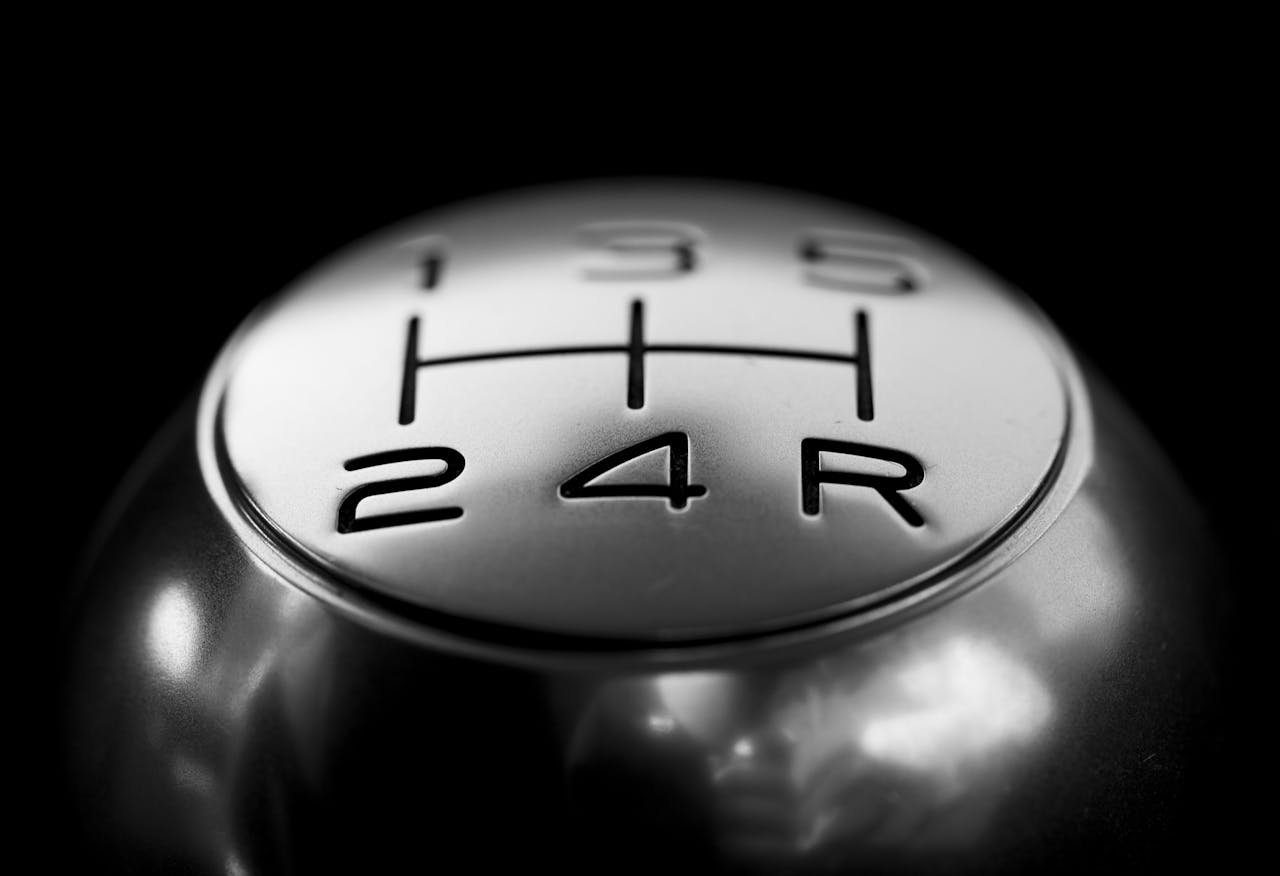
Control When It Counts
Manual control pays dividends where traction ebbs and flows—rain-slick city streets, dusty canyon switchbacks, snow-dusted rural routes. Choosing your own gear lets you set the engine in its sweet spot, manage torque delivery, and maintain stability without relying on a transmission’s logic. Engine braking becomes a tool you can modulate, not a surprise delivered by an algorithm. On long downhill grades, a properly selected gear reduces brake fade. In slow traffic, short-shifting at low rpm keeps things smooth and efficient. Control isn’t an abstract; it’s felt in the steering, the pedal box, and your heartbeat.
Learning Curve, Lasting Rewards
Yes, stalling happens. Grinding a gear will humble you. But like any craft, proficiency arrives with repetition. Start in quiet parking lots, practice clutch take-up without throttle, then add gentle revs as muscle memory builds. Learn to listen: engines tell you when they want to shift. Soon, you’ll rev-match naturally, easing driveline shock and preserving components. Far from a gatekeeping ritual, learning to drive stick expands your driving vocabulary. It equips you to enjoy older performance cars and modern enthusiast specials alike, and it unlocks certain budget-friendly models that feel unexpectedly premium because of their three-pedal setups.
Buying Smart in a Shrinking Market
Manual offerings have dwindled, which paradoxically makes them more desirable. When shopping used, inspect clutch bite point, check for slipping under load, and listen for throw-out bearing noise. A crisp shifter with defined gates is a good sign; a vague or rubbery feel may point to worn bushings or a tired linkage. Maintenance is straightforward: fluid changes, occasional linkage adjustments, and clutch service when needed. Because manuals often attract attentive owners, service records can be excellent—a bonus for long-term reliability and resale value.
Future-Proof Enthusiasm
Technology will keep advancing, and automatics will keep posting absurd acceleration numbers. That’s fine. The manual’s relevance isn’t measured in tenths, it’s measured in grins. For many drivers, three pedals turn a commute into a craft and a weekend drive into a ritual. If you crave a deeper bond with your car, or you simply want to keep a fundamental skill alive, the manual transmission remains a timeless invitation: take the wheel, take the gear, take the moment.