
Standing at the pump, staring at the price spread between regular, midgrade, and premium can feel like a pop quiz you didn’t study for. Some drivers swear by premium for “better performance,” while others stick with regular to save cash. The truth is more straightforward—and more technical—than pump-side folklore suggests. Knowing what octane really means, and when it matters, can save you money and keep your engine running its best.
What Octane Ratings Actually Measure
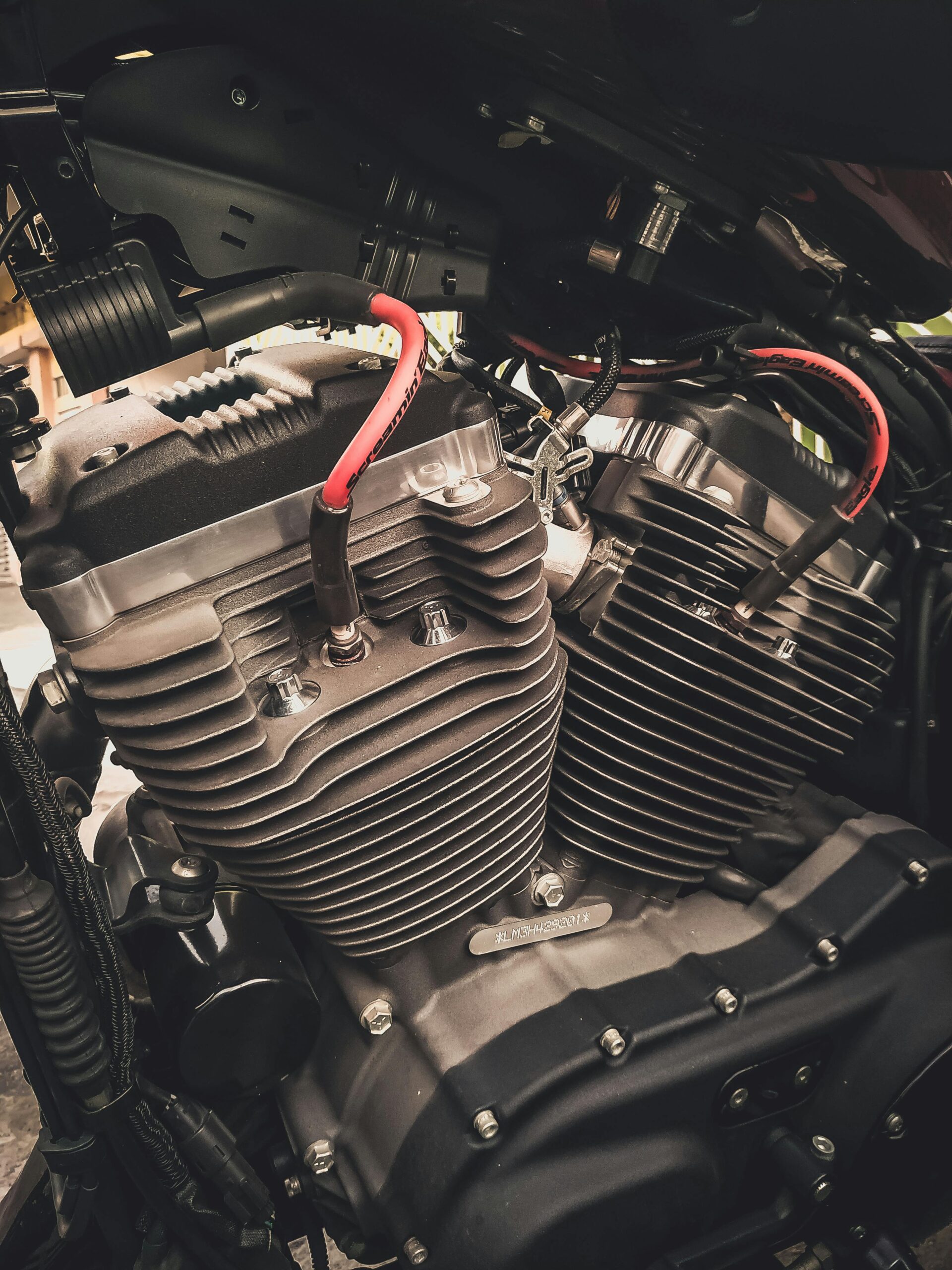
Octane isn’t about how “powerful” a fuel is. It measures a gasoline’s resistance to knock—spontaneous combustion of the air-fuel mixture that happens before the spark plug fires. Knock (or detonation) can cause a metallic pinging sound and, over time, can damage an engine. Higher octane fuels are more stable under heat and pressure, making them less likely to pre-ignite. Importantly, octane rating doesn’t indicate energy content. In most engines designed for regular, switching to premium won’t magically add horsepower or fuel economy.
Who Actually Needs Premium
The best source is your owner’s manual and the label inside the fuel door. If it says “Premium Required,” the engine’s higher compression or boost levels were engineered around high-octane fuel. Running lower octane can cause persistent knock, reduced performance, and potential long-term harm. If it says “Premium Recommended,” the engine can adapt to regular, thanks to modern knock sensors and computer-controlled timing, but you might not get the full rated power, and fuel economy may dip slightly. If your manual calls for 87 octane, using higher octane won’t yield benefits in normal driving.
How Modern Engines Adapt—and When They Can’t
Contemporary engines constantly listen for knock and adjust spark timing and boost to protect themselves. That adaptability is a safety net, not a performance upgrade. Under heavy loads—think towing, steep grades, or scorching summer heat—even engines that usually do fine on regular might benefit from a tank of midgrade or premium to hold optimal timing and avoid knock. If you hear pinging, feel sluggish acceleration, or notice the engine pulling timing in demanding conditions, stepping up a grade can help.
Power, MPG, and Your Wallet
Claims that premium guarantees better mileage are usually overstated. In engines designed for regular, any MPG difference is often negligible. In engines calibrated to take advantage of high octane, premium can allow more spark advance and, in some cases, slightly better efficiency and performance. The key is matching the fuel to the engineering, not to marketing. Over time, choosing the correct octane based on your car’s requirements is what protects both performance and your budget.
Detergents, Top Tier, and Cleanliness
Octane isn’t a measure of how clean a fuel keeps your engine. Detergent additives do that job. Look for Top Tier certification at the pump; it indicates a higher standard of detergents that help keep injectors and intake valves cleaner, which can maintain smooth idle and consistent MPG. You can buy Top Tier gas at any octane.
Bottom Line
Use the octane your vehicle requires, consider premium if it’s recommended and you want maximum performance, and step up a grade temporarily for heavy-duty scenarios. Skip paying extra where it won’t help, and focus on fuel quality by choosing reputable stations with robust detergent packages. That’s the smart, mechanically sound way to fuel up.