
In the vast landscape of American automotive history, few vehicles embody the spirit of innovation and resilience quite like pickup trucks. These versatile machines have journeyed from simple farm tools to sophisticated daily drivers, reflecting broader shifts in technology, culture, and consumer needs. Understanding this evolution offers insights into how pickup trucks continue to dominate roads and hearts across the nation.
The story begins in the early 20th century when automakers like Ford introduced the Model T Runabout with a pickup body in 1925. Designed primarily for agricultural and industrial use, these early models featured basic chassis, open cabs, and modest engines. Farmers and workers relied on them for hauling hay, tools, and supplies, valuing durability over comfort. The Great Depression and World War II further shaped their development, emphasizing ruggedness and reliability. Post-war prosperity brought enhancements like enclosed cabs and improved suspension, making trucks more accessible to everyday users.
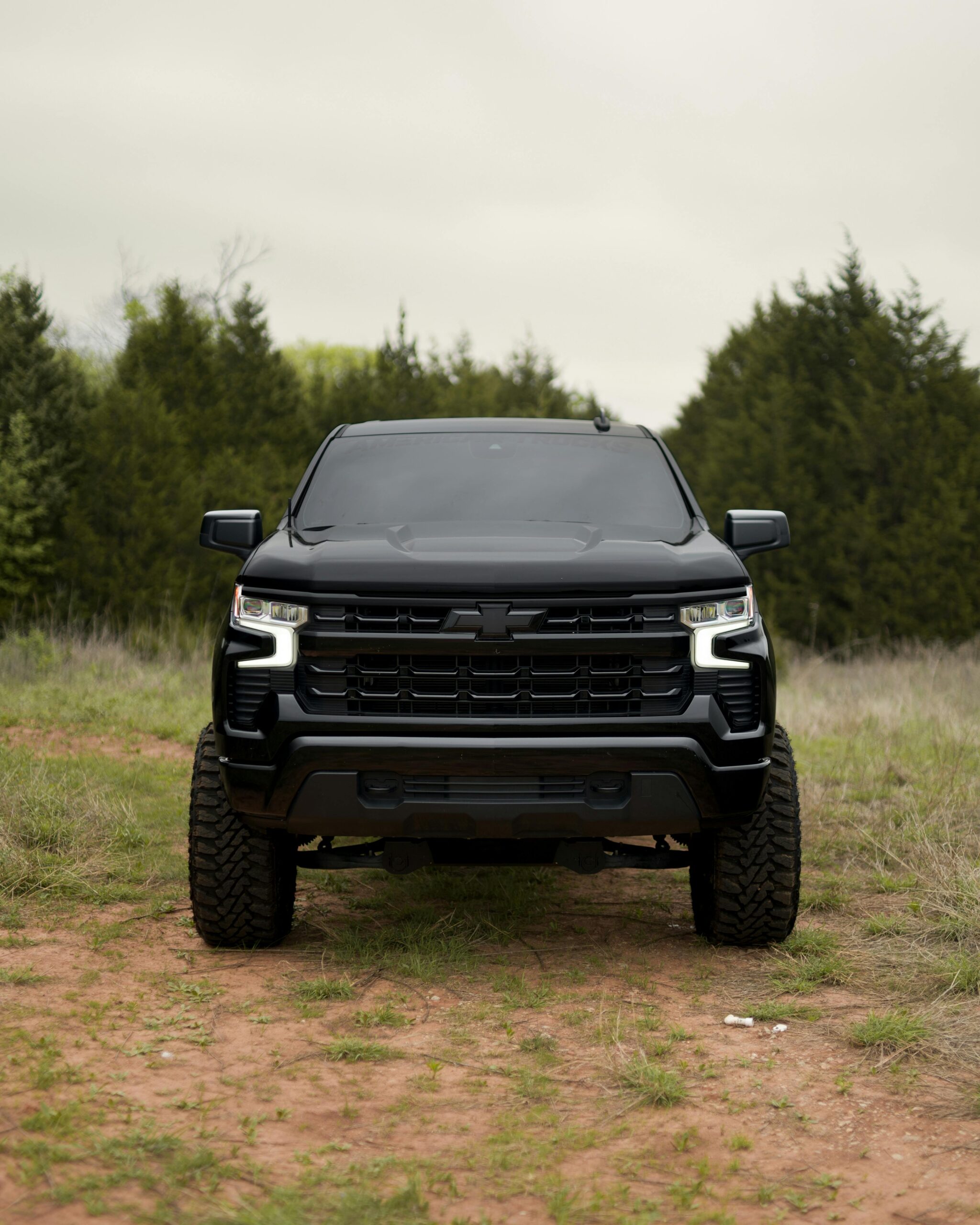
Post-War Boom and Technological Advancements
By the 1950s and 1960s, pickup trucks started shedding their utilitarian image. Chevrolet’s Cameo Carrier and Ford’s Ranchero blurred lines between trucks and passenger cars, introducing stylish designs and V8 engines. This era marked the rise of recreational use, with families using trucks for weekend adventures. Innovations like four-wheel drive, pioneered by companies such as Jeep and later adopted by mainstream brands, expanded their capabilities into off-road territories.
The oil crises of the 1970s prompted a focus on fuel efficiency, leading to lighter materials and smaller engines without sacrificing payload capacity. Japanese manufacturers entered the fray with compact models like the Toyota Hilux, challenging American dominance and pushing for better build quality. Domestic giants responded with iconic lines such as the Ford F-Series, which became the best-selling vehicle in America, thanks to continual refinements in powertrains and safety features.
Modern Era: Luxury Meets Utility
Today, pickup trucks represent a fusion of luxury and functionality. Models like the Ram 1500 offer premium interiors with leather seats, advanced infotainment systems, and adaptive cruise control, rivaling high-end sedans. Turbocharged engines deliver impressive horsepower while maintaining towing prowess, appealing to both contractors and suburban commuters. Safety has taken center stage, with features like blind-spot monitoring and automatic emergency braking becoming standard.
Cultural influences have also played a role. Pickup trucks symbolize independence and adventure in popular media, from country music videos to blockbuster films. Customization options abound, allowing owners to personalize everything from lift kits to bed liners, fostering a vibrant aftermarket community. As urbanization grows, midsize trucks like the Chevrolet Colorado provide maneuverability for city streets without compromising on utility.
Looking ahead, sustainability pressures are influencing designs, with hybrid powertrains emerging to balance performance and environmental concerns. Yet, the core appeal remains: pickup trucks adapt to drivers’ lives, whether hauling lumber or embarking on cross-country trips. Their evolution underscores a timeless truth in automotive design—versatility wins.
Drivers who appreciate this heritage often find themselves drawn to the open road, where the rumble of a powerful engine meets the promise of endless possibilities. As pickup trucks continue to evolve, they remind us why these vehicles are more than just transportation; they’re a way of life.