
In the ever-changing world of automobiles, car design has undergone remarkable transformations that directly influence how we drive and experience the road. From the boxy silhouettes of early models to the sleek aerodynamics of contemporary vehicles, these changes aren’t just aesthetic—they shape safety, performance, and comfort for millions of drivers daily.
Consider the early days of automotive history. Pioneers like Henry Ford introduced mass-produced cars with simple, utilitarian designs. The Model T, for instance, featured high ground clearance and sturdy frames to handle rough, unpaved roads. Drivers back then dealt with manual everything—from cranking engines to adjusting seats—making every journey an adventure in resilience. These designs prioritized durability over luxury, reflecting the era’s needs for reliable transportation in a developing infrastructure.
As decades progressed, post-World War II innovations brought about a shift toward more driver-centric features. The 1950s and 1960s saw the rise of muscle cars with powerful V8 engines and bold styling cues like tailfins and chrome accents. This era emphasized performance, turning driving into a thrilling pursuit. However, it also highlighted design flaws, such as poor handling in corners, which led to higher accident rates. Engineers began integrating lessons from racing, like improved suspension systems, to make vehicles more responsive and safer for everyday use.
Aerodynamics and Efficiency Take Center Stage
By the 1970s, fuel crises prompted a focus on aerodynamics. Designers streamlined bodies to reduce drag, improving fuel efficiency without sacrificing speed. This evolution made cars lighter and more agile, enhancing the driving experience on highways. Features like wind-tunnel-tested shapes became standard, allowing drivers to enjoy smoother rides and better stability at high speeds.
Modern car design further builds on this by incorporating advanced materials like high-strength steel and composites. These not only lighten the load but also bolster crash protection. Think of how today’s sedans and SUVs feature crumple zones that absorb impact, protecting occupants in collisions. For drivers, this means greater confidence behind the wheel, knowing their vehicle is engineered to mitigate risks.
Interior Innovations Enhancing Driver Comfort
Beyond exteriors, interiors have evolved dramatically. Ergonomic seats, adjustable steering wheels, and intuitive dashboards reduce fatigue on long drives. Infotainment systems, while keeping drivers connected, are designed with minimal distraction in mind—voice controls and heads-up displays ensure eyes stay on the road.
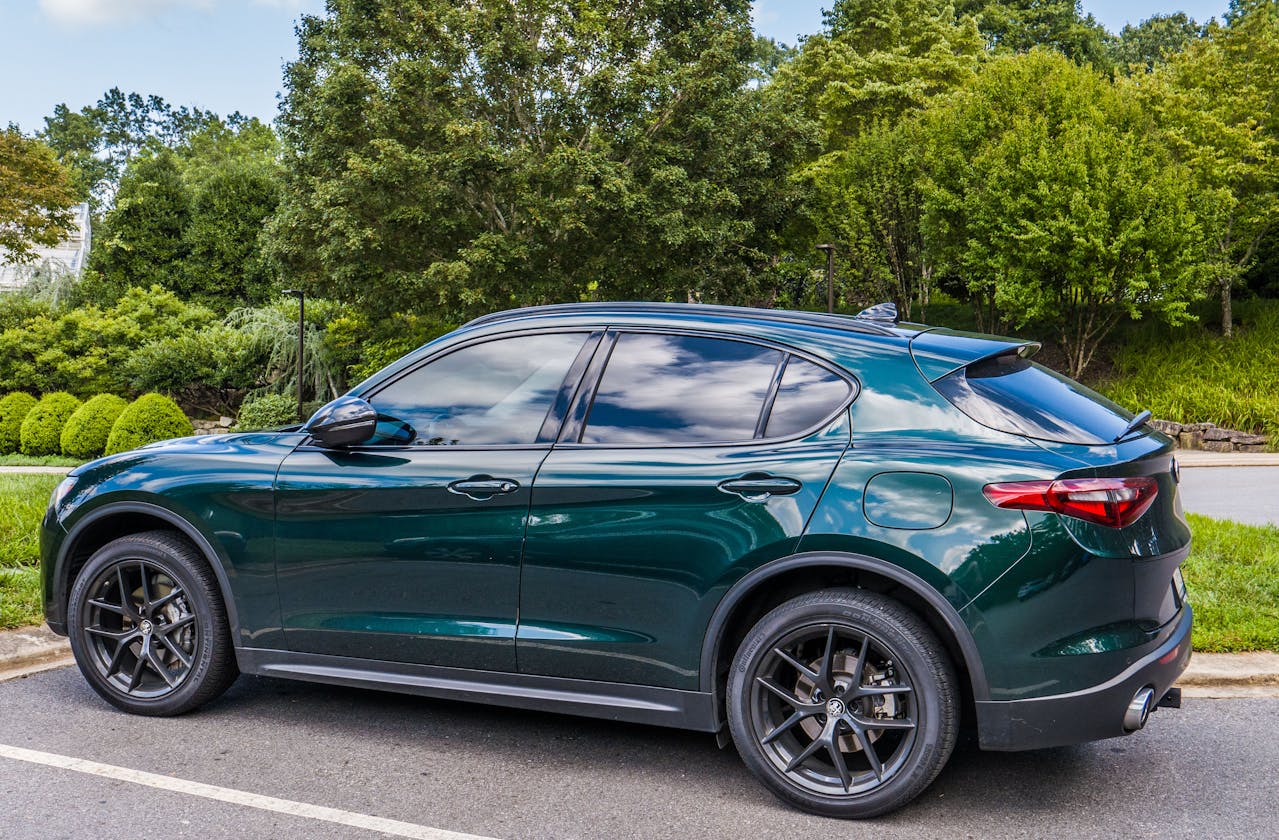
These design advancements also cater to diverse driver needs. Compact crossovers, for example, offer elevated seating for better visibility, appealing to families and urban commuters alike. Performance-oriented models refine handling through precise steering and adaptive dampers, delivering that exhilarating feel without compromising daily usability.
Ultimately, the evolution of car design reflects a blend of technology, safety, and user experience. It empowers drivers to navigate modern challenges, from congested cities to open highways, with greater ease and enjoyment. As automotive innovation continues, we can expect even more tailored designs that anticipate our driving habits and preferences, making every trip not just a commute, but a seamless extension of our lifestyles.